
Beyond the Scroll: Exploring TikTok’s Trending Games and Challenges for Kids
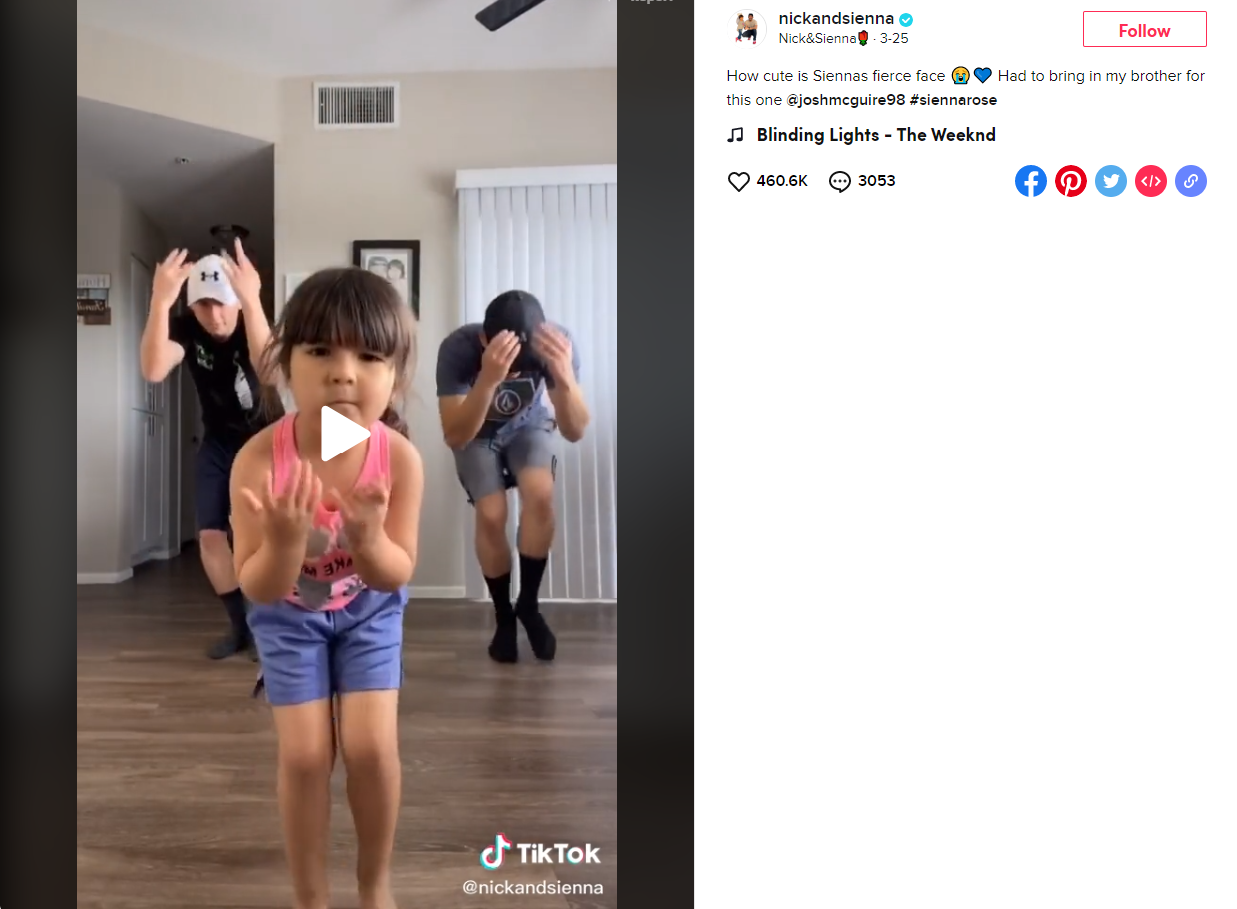
TikTok has undeniably become a cultural phenomenon, shaping everything from music tastes to fashion trends, and perhaps most significantly, influencing the digital playground where young people connect and create. While often associated with viral dances and short-form comedy sketches, the platform is also a hotbed for trending “games” and challenges that captivate children and teens. These aren’t your traditional video games played on consoles or PCs; they are dynamic, social, and participatory trends that sweep across the platform, inviting millions to join in. Understanding these trends is crucial for parents, educators, and anyone seeking to navigate the complex digital landscape where kids spend their time.
What Exactly Are “TikTok Trending Kids Games”?
The term “game” on TikTok is used loosely. It rarely refers to structured gameplay with rules, scores, and win/loss conditions in the traditional sense. Instead, these “games” are more akin to:
-
- Challenges: Prompts that encourage users to perform a specific action, create something based on a theme, or react to a stimulus. These can range from physical feats (like dance challenges or simple athletic tests) to creative tasks (drawing challenges, building things from specific materials) or even emotional expressions.
- Filters and Effects: TikTok’s vast library of augmented reality filters and video effects often spawn trends. Users might use a filter that predicts their future, randomizes an outcome, transforms their appearance, or creates a visual puzzle. The “game” is often the act of using the filter and sharing the result.
- Creative Prompts and Templates: Trends that provide a template (like a specific sound, visual style, or narrative structure) and ask users to fill in the blanks with their own content. This includes popular “POV” (Point of View) trends where users act out scenarios.
- Role-Playing and Storytelling: Trends built around specific characters, scenarios, or fictional universes, where users create short skits or videos embodying a role.

- Educational/Trivia Trends: Less common as pure “games,” but some trends involve sharing facts, solving simple puzzles, or using filters that test knowledge in a fun way.
The key characteristic is their viral nature. A trend starts, often organically or sometimes driven by influencers, and spreads rapidly as users replicate, remix, and add their own spin. Participation is easy, often requiring just a smartphone and the TikTok app.
The Magnetic Pull: Why Are These Trends So Popular with Kids?
Several factors contribute to the immense popularity of these TikTok trends among young people:
-
- Community and Belonging: Participating in a trending challenge makes kids feel like they are part of something bigger. They see their peers doing it, and joining in fosters a sense of belonging and shared experience, even across geographical distances.
- Creativity and Self-Expression: TikTok provides accessible tools for creativity. Filters, effects, editing features, and a massive sound library make it easy for kids to express themselves visually and aurally. The challenges often provide a creative framework that sparks imagination.
- Ease of Participation: The short-form video format (typically 15-60 seconds) lowers the barrier to entry. Kids don’t need complex equipment or advanced skills; they can jump in quickly.
- The Dream of Virality: While not every video goes viral, the possibility of gaining likes, shares, and followers is a powerful motivator. It taps into a desire for validation and recognition.

- Discoverability: TikTok’s algorithm is designed to push trending content, constantly exposing users to the latest popular challenges and encouraging participation.
- Relatability and Authenticity: Kids see other kids (and often their favorite influencers) participating in these trends, making them feel relatable and authentic compared to polished, traditional media.
Examples of Trending Game Types (Note: Specific trends change rapidly!)
Instead of listing specific, potentially outdated trend names, let’s look at categories that frequently trend:
- Filter Games: Filters that add random elements (e.g., “What Disney Character Are You?”), predict outcomes (“Your Future Job Will Be…”), or create reaction games where users have to perform an action based on what the filter does.
- Drawing/Art Challenges: Prompts like “Draw a character based on these three emojis,” “Complete the drawing,” or challenges using specific digital brushes or techniques available through filters.
- Building/Crafting Challenges: Showcasing DIY projects, building with specific materials (like LEGOs or craft supplies) based on a theme, or transforming everyday objects.
- Role-Playing (POV) Trends: Users act out short scenes based on a specific scenario or character type. These often rely heavily on sound clips and on-screen text.
- Reaction/Response Challenges: Creating videos that react to another user’s content, often adding a humorous or creative twist.
- Trivia/Quiz Filters: Filters that ask questions or present puzzles for the user to answer or solve within the video.
These examples highlight the diversity, from purely creative to slightly competitive or just plain silly.
The Bright Side: Potential Benefits of Participation
While concerns about screen time and safety are valid, participating in these trends can offer benefits:
- Boosting Creativity and Digital Literacy: Kids learn basic video editing, storytelling, and visual communication skills. The constraints of the short format and the challenge structure can actually foster creative problem-solving.
- Building Community and Social Skills: Online communities form around popular trends. Kids interact through comments, duets (creating a video side-by-side with another), and stitches (adding their video to the end of another). This can help shy kids connect and build social confidence online.
- Learning New Skills: Depending on the trend, kids might learn simple crafting techniques, basic drawing skills, or even research skills if a trend involves trivia or facts.
- Stress Relief and Fun: At their core, many of these trends are just about having fun, being silly, and entertaining others. This can be a valuable outlet for stress.
- Discovering Interests: Exploring different trends can expose kids to new ideas, hobbies, and creative avenues they might not have considered otherwise.
Navigating the Concerns: Potential Drawbacks and Risks
The flip side of TikTok’s accessibility and viral nature is the potential for negative experiences:
- Excessive Screen Time: The addictive nature of the platform and the constant stream of new content can easily lead to spending too much time scrolling and participating.
- Exposure to Inappropriate Content: Despite moderation efforts, explicit, violent, or otherwise unsuitable content can slip through, and the algorithm can sometimes push it to users.
- Privacy Issues: Kids may inadvertently share too much personal information (location, school uniform details, personal belongings) in their videos. Public accounts mean their content is visible to anyone.
- Cyberbullying and Negative Comments: The open nature of comments can expose kids to negativity, criticism, and bullying.
- Pressure to Conform or Go Viral: The emphasis on likes and views can create pressure to participate in trends even if uncomfortable, or to chase virality, leading to anxiety and self-esteem issues.
- Dangerous Challenges: This is perhaps the most significant risk. Some trends involve risky or harmful activities, which kids might attempt without fully understanding the danger due to peer pressure or the desire for views. Parents must be acutely aware of this potential.
- Impact on Mental Health: Constant comparison to others, seeking external validation through likes, and exposure to unrealistic portrayals can negatively impact a child’s self-image and mental well-being.
A Parent’s Guide: Staying Involved and Safe
For parents and guardians, navigating TikTok with kids requires engagement, not just restriction.
- Open Communication is Key: Talk to your kids about what they are doing and seeing on TikTok. Ask about the trends they like, who they follow, and how they feel about their online interactions. Create a space where they feel comfortable sharing negative experiences without fear of immediate punishment (like having the app taken away).
- Set Clear Boundaries: Establish reasonable time limits for screen use, including TikTok. Discuss what types of content are acceptable and what is off-limits.
- Utilize Safety Features: TikTok offers safety features like “Family Pairing,” which allows parents to link their account to their child’s and set controls over screen time, who can message them, who can see their videos, and restrict certain content. Ensure the child’s account is set to private.
- Watch Together: Spend some time with your child watching TikTok. Understand the platform, the types of content they enjoy, and the trends they are exposed to. This also provides opportunities to discuss content in real-time.
- Educate About Digital Citizenship: Teach kids about online privacy, the permanence of online content, the importance of critical thinking (not everything online is true or safe), and how to handle negative interactions or report inappropriate content.
- Encourage a Balanced Lifestyle: Ensure TikTok is just one part of their life. Encourage offline hobbies, physical activity, social interactions with friends and family in person, and other creative pursuits.
- Be Aware of Dangerous Trends: Stay informed about potential online safety risks. Resources from reputable organizations often highlight dangerous challenges that gain traction. Discuss the dangers of participating in risky trends with your child explicitly.
- Know When to Seek Help: If you notice


